


About The Author


Hello I’m Lewis Barton with Lady Marie
The Bartons settled in Salem, Massachussetts in 1632, and were the first family to settle in Barton Cove, Maine.
In 1643, Marmaduke Barton was condemned of stealing a pig and sentenced to 14 years. As punishment for his crime, he was sold into slavery and branded with an “S” on his forehead. At the time, since there were no prisons, slavery was deemed the punishment for crime regardless of race or religion.
Lewis Barton’s ancestor, General William Barton, was a deemed a hero in the Revolutionary War under George Washington. The Barton Family has a history of serving in the United States military, with the author Lewis Barton serving in the army during the Vietnam War. Mr. Barton is a Corps of Engineer service connected disabled veteran. He graduated MCI in Pittsfield, Maine. In 2004, he was a “Presidential Point of Light” recipient presented by George W. Bush for his TV broadcasting and humanitarian acts during the 2004 hurricanes of Francis and Jeanne on the Treasure Coast of Florida. A film documentary, “The Eye of Two Sisters” was produced and received international recognition.
Family stories shared with Lewis Barton brought him to research decades of their history. This book features the Cornino and Zibelli families and their connection with the mafia.
Following in his family’s military footsteps, he joined the army and is a disabled Vietnam War Corps of Engineers veteran.
Before becoming a husband and father, Lewis launched a thriving construction business, which was listed as an Inc. 500 company.
In 2004, he was a “Point of Light” recipient by President George W. Bush for his humanitarian television broadcasting during Hurricanes Frances and Jean and his humanitarian efforts after the storms had passed.
As a teenager in 1960, Lewis built a Street Rod (a Ford Model A, 5-window coupe), which after 60 years, he still owns and drives.
In high school, Lewis and his buddies played baseball in a flat field that his dad farmed. He later found out that it was this same field where his third great-grandfather, Josh Barton, had trained prior to mustering and being wounded at Bunker Hill during the Revolutionary War. He recovered from his injuries and wintered at Valley Forge. Returning to battle, he fought at Yorktown until the battle was over. He then walked 700 miles to his New Hampshire home carrying his musket.
A funny story about Lewis’s great-grandfather, David Barton.
David Barton built a barn on his property in New Hampshire. A few years after the barn had been built, two separate towns, Pittsfield and Epsom were established, and the town line ran right through the middle of his barn. In those days, you were taxed on the livestock you owned and when the tax collector was coming, he would move the oxen from one end of the barn to the other, depending on which tax collector was going to visit.
Lewis Barton is also related to Clara Barton. Clara Barton began collecting supplies and worked to get them to the soldiers during the Civil War. She received official permission to bring supplies to the battlefields and was at every major battle in Maryland, Virginia, and South Carolina, where she also tended to the wounded and became known as the “angel of the battlefield.” It was Clara’s idea to have battlefield hospitals. When the Civil War ended, she started the Missing Soldiers Office with a small staff. They located 22,000 of the 63,000 requests for missing men, some were still alive. In 1881, Clara founded the American Red Cross where she served as president until 1904, when at the age of 82, she started the National First Aid Association of America, an organization that emphasized emergency preparedness and developed first aid kits.
Lewis describes how the story began:
On a Saturday morning, around eight o’clock, Labor Day weekend, 1972. I was sitting on a pile of 16 inch water pipes by the river at the base of Mount Washington in Brentenwoods, New Hampshire, reviewing engineering plans for my construction company on how to lay this pipe across the river, when an elderly man, by himself walked up and said, “Good morning, may I sit and rest?” We talked for over an hour and he said, “Would you meet me here tomorrow at the same time?” I said, “Yes.” The next morning, he came with a thermos of hot chocolate and a bag of bran muffins. We ate, drank, and talked for over two hours. When he was leaving, I asked, “When will I see you again? How do I get in touch with you?” He said, “I will see you again someday, sometime,” and walked away.
In 1980, Pope Paul II had been ordained and Ronald Reagan was the new U.S. President. I was living on Plum Island in Newberryport, Massachusetts. In the middle of the night, my old friend’s relative who was working for my father, woke me up in the middle of the night and asked me if I had a thousand dollars cash that I could lend to my old friend for a few days. I asked, “Who is this old friend you are referring to?” and was told, “Your old friend who you met eight years ago at Mount Washington, Duke Vito Cornino, one of the world’s most powerful men.” Later I learned that he was in the New Hampshire White Mountains to chair The Mafia Council meeting of Godfathers, as Godfather of Godfathers. In that meeting the mafia council approved the plan to ordain a new pope and elect a U.S. president who were sympathetic on creating conflict in the USSR and allow the American/Italian Mafia to develop the Russian Mafia.
Several years of research continued and after the disappearance of the Castellammare and Cornino family members along with their staff and crew, Lewis Barton felt their story must be told.
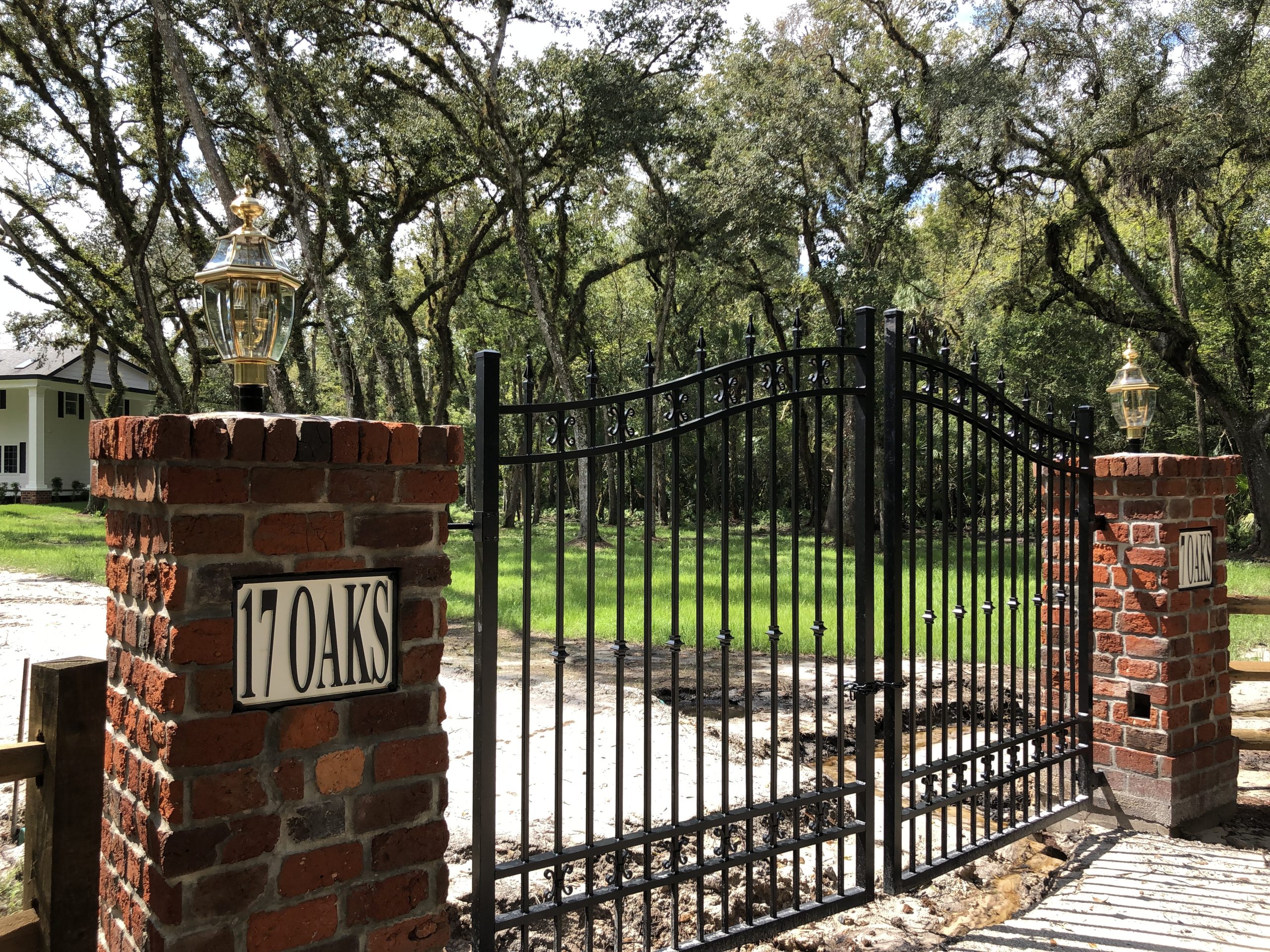
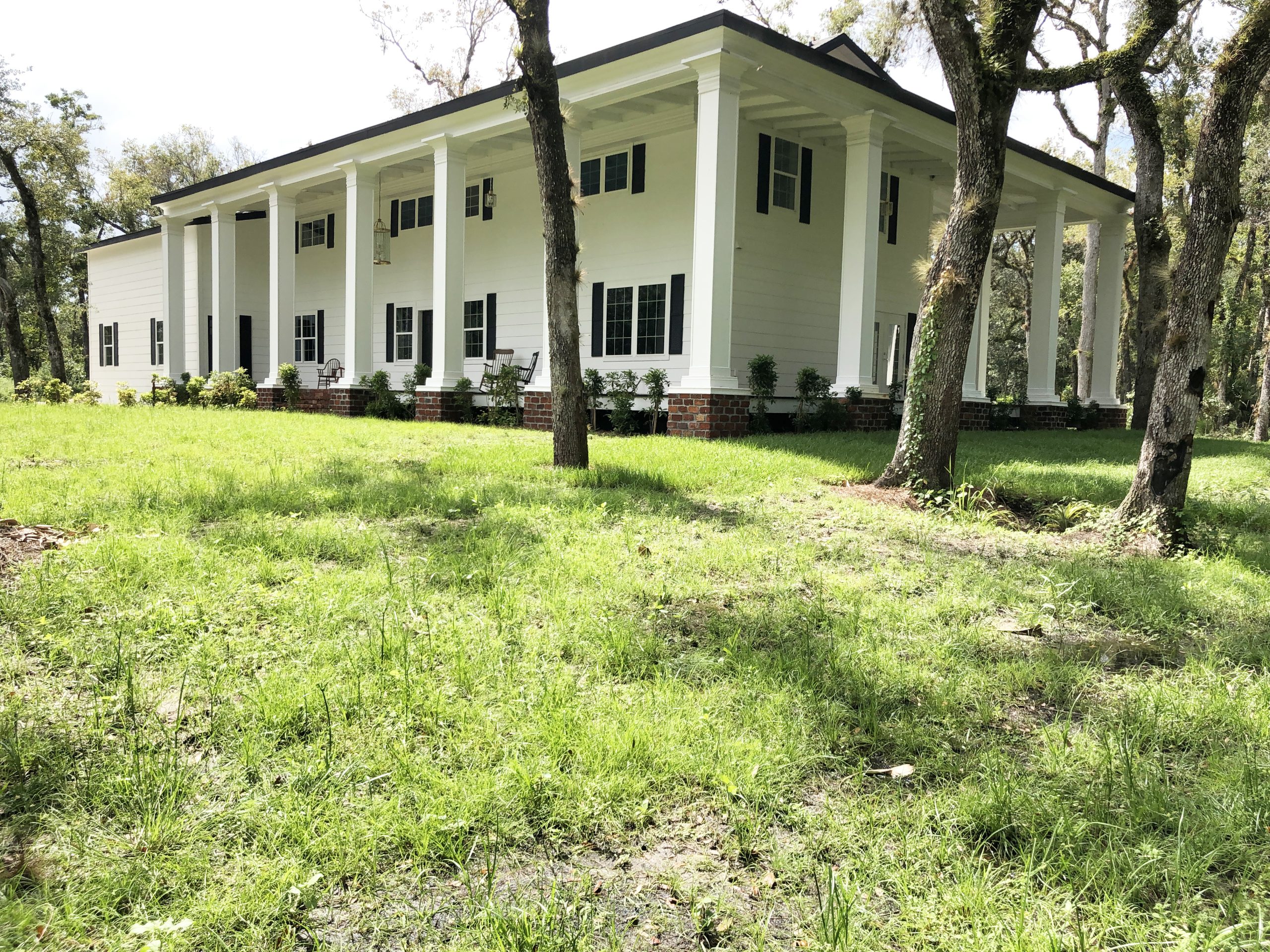
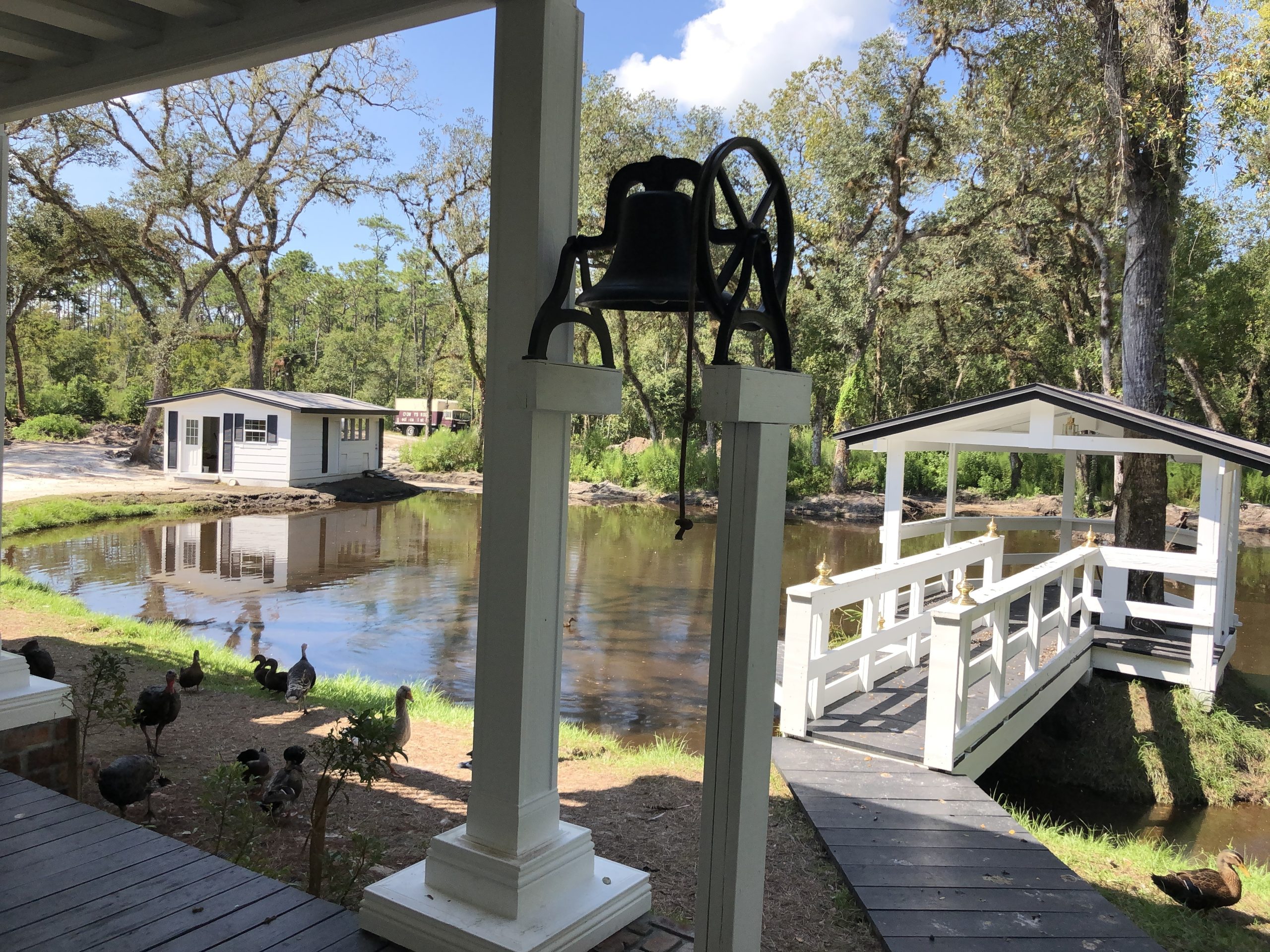
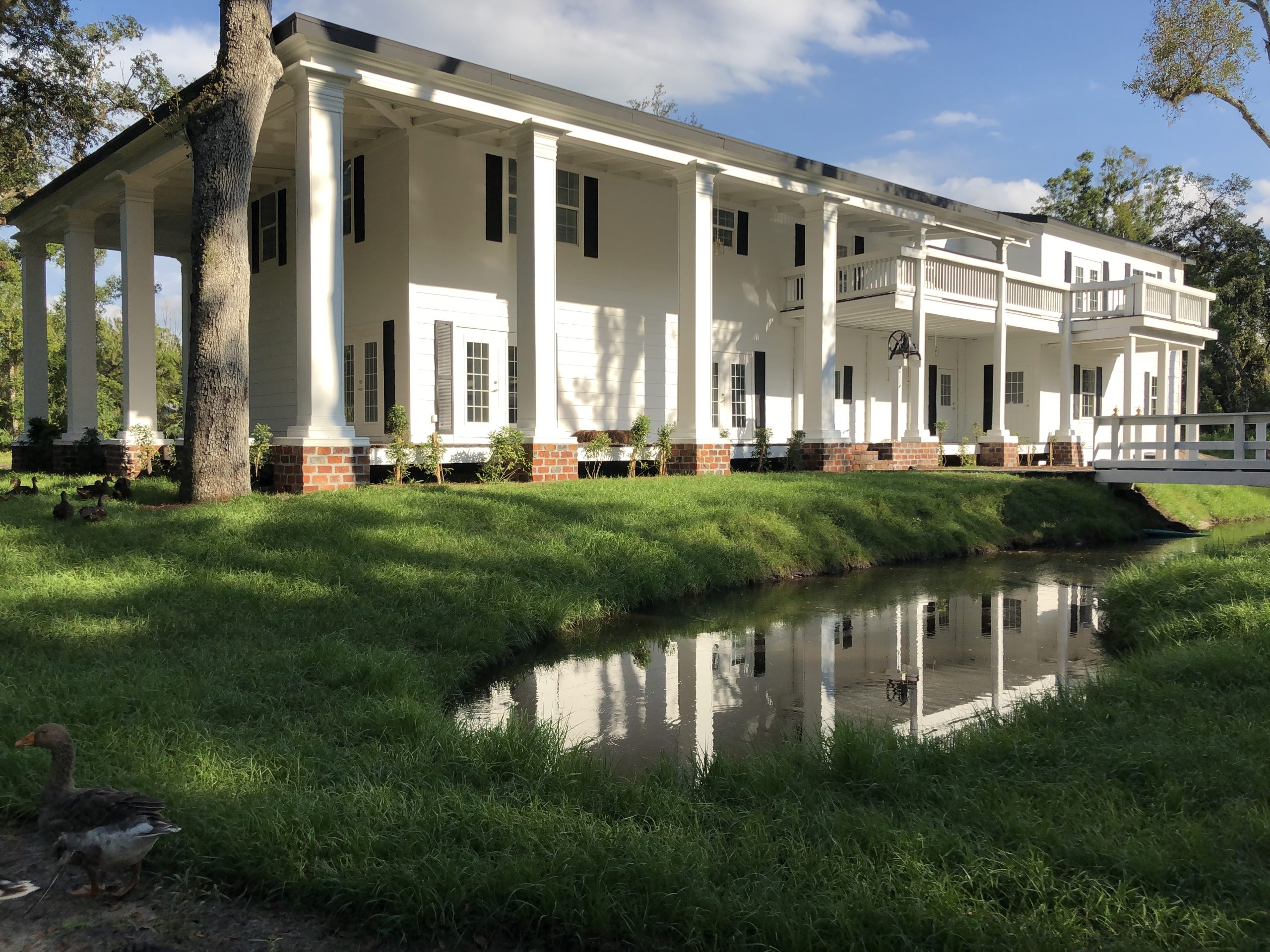
17 Oaks Plantation
17 Oaks Plantation is a meticulously crafted tribute to the grand plantation homes of the pre-Civil War South, inspired by a deep personal history and a legacy lost to time. The estate pays homage to Mary Barton’s parents’ plantation in Louisiana — originally named 17 Oaks Plantation — purchased in 1936. Tragically, the historic home was lost to Hurricane Katrina, but its legacy lives on through the Bartons’ unwavering dedication and determination to revive its spirit and recreate its grandeur.